Article
Preparing the article…
If a translation is needed, this may take a few seconds.
If a translation is needed, this may take a few seconds.
The situation of sexual violence in the Uvira health zone is causing deep concern. According to the latest health data, 1,129 rape cases were recorded between December 2025 and February 2026
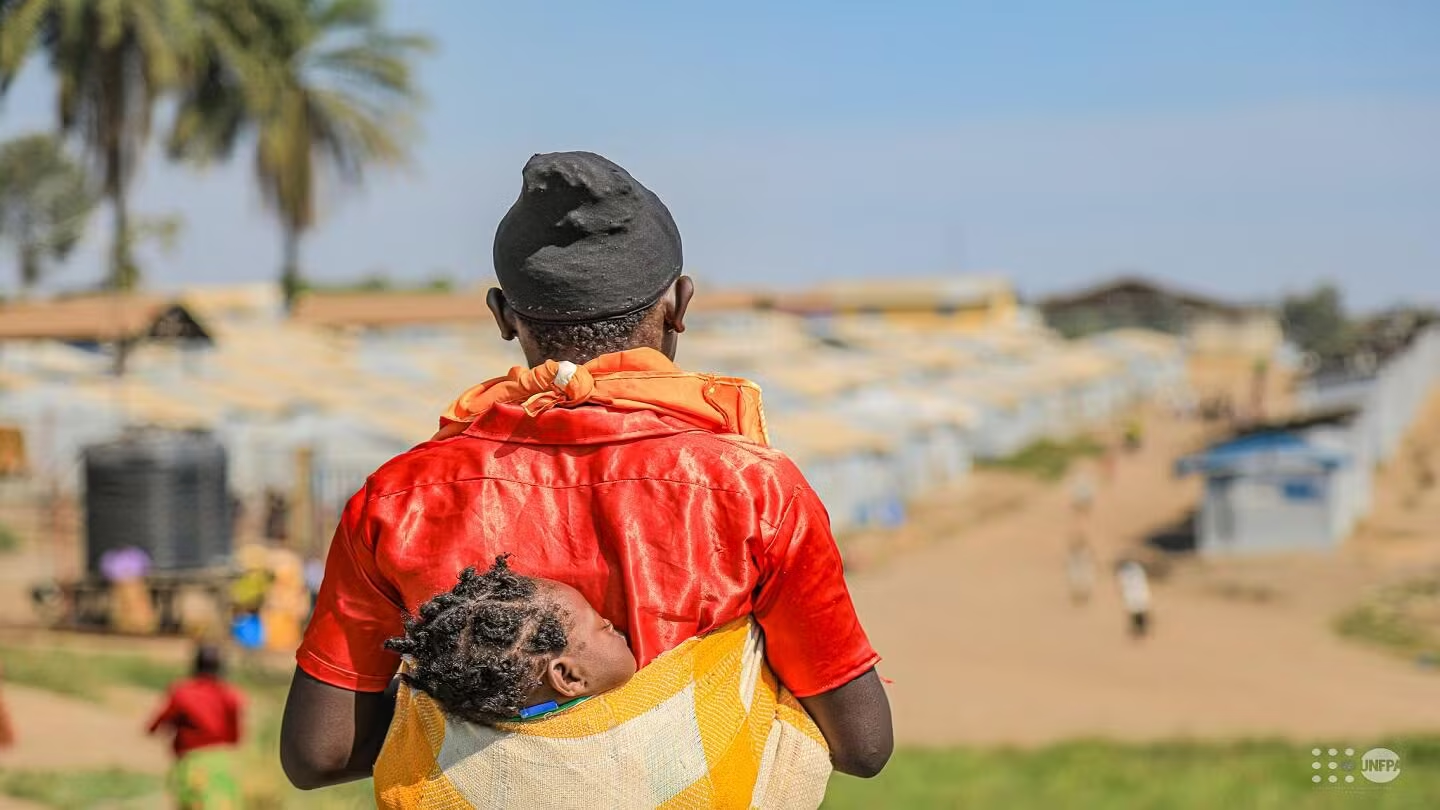
The situation of sexual violence in the Uvira health zone is causing deep concern. According to the latest health data, 1,129 rape cases were recorded between December 2025 and February 2026, revealing a sharply upward trend that is alarming health professionals and civil society actors.
According to the supervising nurse of the zone, Bitahwa Bonde Gwissi, this evolution reflects a gradual worsening of the phenomenon. The figures speak for themselves: 183 cases were recorded in December, 320 in January, before climbing to 626 cases in February.
"We are facing a real surge in sexual violence in our health zone," he emphasizes.
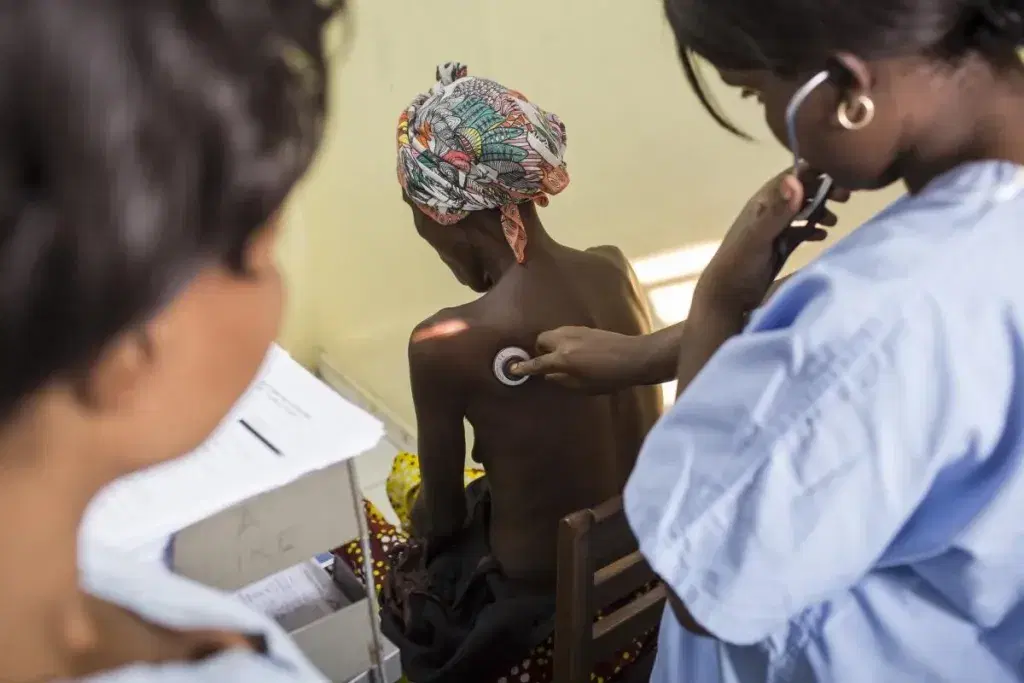
Beyond this alarming increase, another major challenge persists: limited access to care for survivors. Barely 30% of them were able to benefit from PEP kits (post-exposure prophylaxis), essential for preventing sexually transmitted infections, including HIV, as well as unwanted pregnancies.
"Many survivors do not access these kits within the required timeframe, or health facilities simply lack them," regrets Bitahwa Bonde Gwissi.
The testimony of a victim encountered in a peripheral neighborhood of Uvira illustrates this reality. Assaulted in February, she went to a health center several days after the incident, but did not receive the necessary assistance.
"I arrived at the hospital with great anxiety. I was told there were no medications. I left without help," she recounts, still marked by the ordeal.
Like many others, her case highlights the shortcomings of the care system, in a context of limited resources.
Local actors also fear that these figures fall short of reality. Many cases are not reported, notably due to stigma, insecurity, and difficulties in accessing health services.
These statistics were presented last week at an awareness workshop organized by the Union of Women in Media for Peace (UFMP) South-South-Kivu. This meeting made it possible to mobilize stakeholders around the need for a coordinated response to this scourge.
For Abigael Bitendo, coordinator of the GAD organization, the situation is all the more critical as it occurs in an already fragile environment.
"We are observing an increase in cases in a precarious environment. It is urgent to strengthen awareness and protection mechanisms," she insists.
In this dynamic, the UFMP South-South-Kivu launched, since early March, a campaign to combat gender-based violence in the health zones of Uvira and Ruzizi. Planned for three months, this initiative aims to strengthen prevention, encourage reporting, and improve victim support.
Several actions are planned:
Through this campaign, the initiators hope to break the silence surrounding sexual violence and facilitate survivor access to essential services. Nevertheless, faced with the scale of the phenomenon, they are calling for urgent collective mobilization to reverse the trend and restore the dignity of victims.
Our editors' picks of what matters. Monday to Friday.
By subscribing, you accept our privacy policy.