Article
Preparing the article…
If a translation is needed, this may take a few seconds.
If a translation is needed, this may take a few seconds.
In Uvira, faced with a surge in sexual and gender-based violence in a context marked by instability and impunity, the SOSAME psychiatric center trained 35 local actors last weekend.
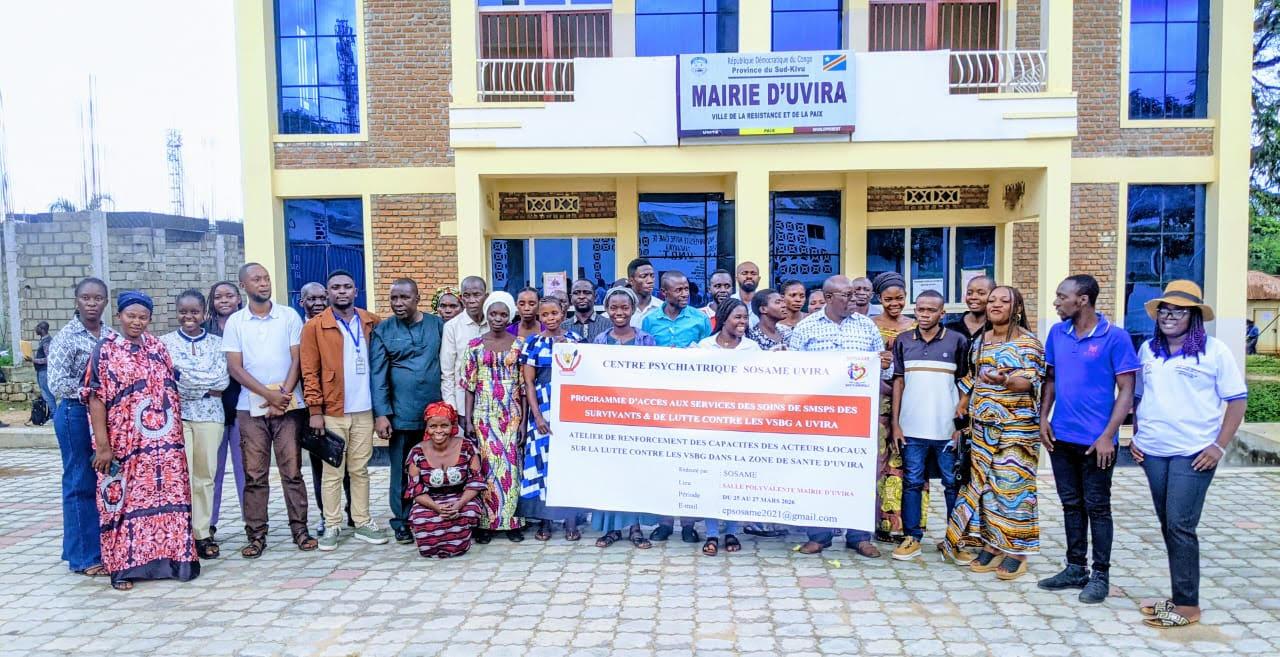
Facing an alarming surge in sexual and gender-based violence (SGBV), 35 local actors were trained in Uvira to strengthen their capacities in prevention, identification, and care for survivors.
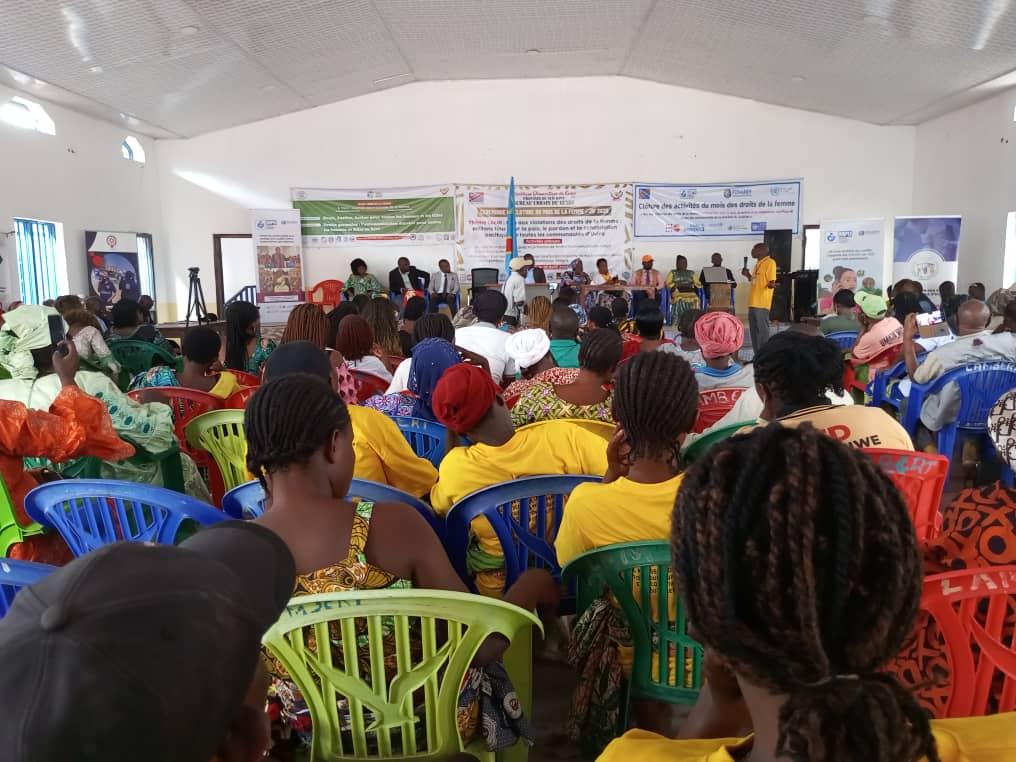
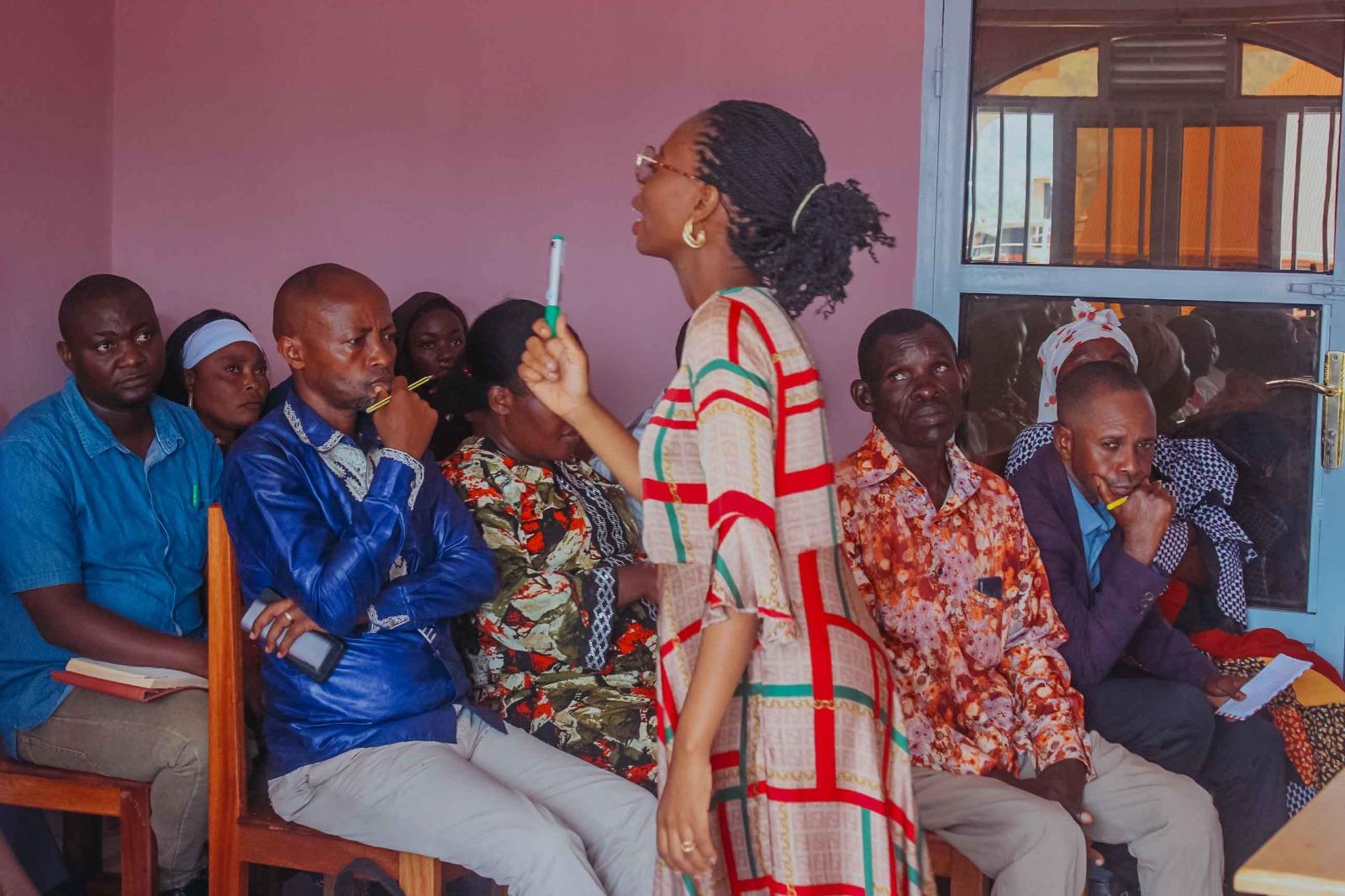
Organized from March 25 to 27, 2026 in the auditorium hall of the women's center at the municipality, this workshop brought together participants from various sectors, including health, education, justice, civil society, media, women's organizations, and religious denominations. The initiative is led by the SOSAME psychiatric center, as part of its program to combat GBV through mental health care and psychosocial support.
According to Pacifique Birindwa Zagabe, Program Manager of SOSAME in South Kivu, the city of Uvira is evolving in a context marked by security instability, armed conflicts, and massive population displacements, fostering a climate of impunity.
"Women and girls remain the main victims, exposed to multifaceted violence, including sexual, psychological, economic, and domestic violence," he stated, emphasizing the urgency of collective action.
Over three days, participants were trained on key concepts related to GBV, their causes and consequences, as well as mechanisms for prevention, identification, documentation, and referral of survivors. The survivor-centered approach and its guiding principles were also central to the discussions.
The training was conducted by Françoise Bukuru Mwimule and Joséphine Mungubi, members of the Union of Women in Media for Peace in South Kivu (UFMP-Uvira), recognized for their commitment to women's rights.
Beyond theoretical aspects, participants were equipped with knowledge on case management, communication, as well as the holistic services offered by SOSAME, including medical-neuropsychiatric, psychological, socio-economic support, and psychoeducation.
The discussions also highlighted the impact of stereotypes and social perceptions in perpetuating violence. The facilitators stressed the need to deconstruct these prejudices in order to promote protective behaviors toward survivors.
At the end of the training, participants expressed their satisfaction and commitment."This training opened our eyes to realities that we sometimes overlooked," said John Abwe, a media professional in Uvira.
For her part, a nurse from the 8e CEPAC health center in Kalundu praised "concrete tools" that now allow her to effectively identify and refer cases.This workshop is part of a program implemented by SOSAME from November 2025 to April 2026, aimed at improving access to mental health care and psychosocial support for survivors of SGBV.
With more than 30 years of experience, SOSAME reaffirms its role in responding to humanitarian crises in South Kivu. Its director general, Reverend Brother Elie Lowakondjo Lukangaka, recalled that "the fight against SGBV requires collective commitment and a change in mindsets."
The organization also emphasizes the importance of mental health in this fight, maintaining that no response can be complete without appropriate psychosocial support.
Our editors' picks of what matters. Monday to Friday.
By subscribing, you accept our privacy policy.