Article
Preparing the article…
If a translation is needed, this may take a few seconds.
If a translation is needed, this may take a few seconds.
On July 5, 1962, Algeria becomes independent. However, petroleum resources remain the property of the concessionary companies for as long as their permits are valid. It is in 1971 that Algeria takes full control of its hydrocarbons. But, sixty years later, the 'trap' of oil rent has not been…
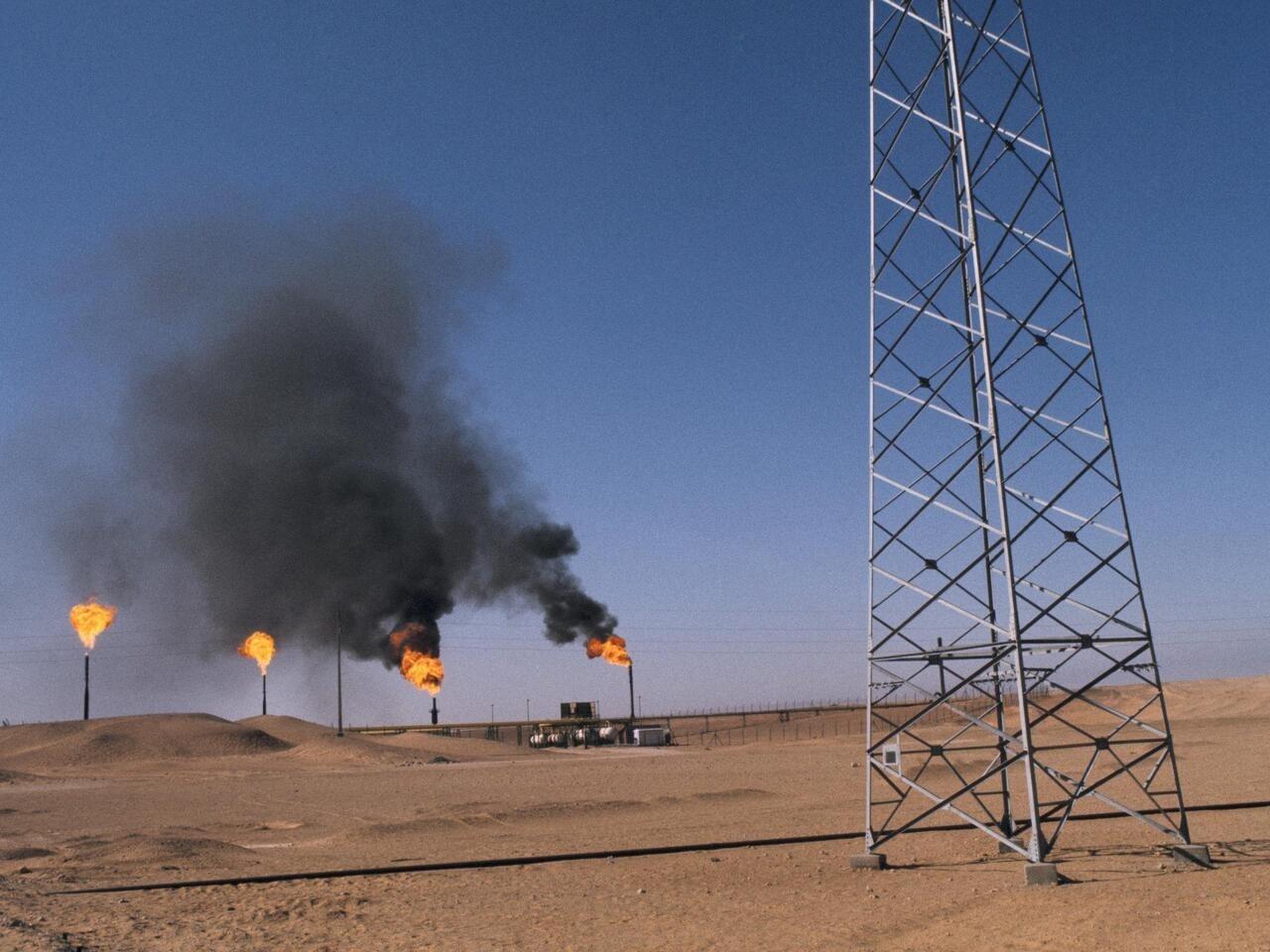
On February 24, 1971, President Houari Boumédiène announces the nationalization of the hydrocarbon industry. The state takes control. Since then, independent Algeria has lived essentially on oil rents. They contribute nearly 60% of the state budget.
However, Algeria also depends on the fluctuation of hydrocarbon prices. An external factor over which it has little control and which cyclically sustains social discontent. The country experiences the full force of the shocks of 1973, 1986, and 2014. On the contrary, in the early 2010s, Algeria experiences a prosperous period. The Ukrainian crisis and the current rise in prices offer the prospect of a new period of substantial foreign exchange inflows for Algeria.
Sixty years after independence, the issue of "diversification remains the same," notes Professor Youcef Benabdallah. The country is very poorly industrialized: the sector weighs less than 5% of GDP. The challenge is to escape this cyclical system, compounded by new challenges such as the global climate change agenda and carbon-neutral economy objectives.
►Also read : 2020, annus horribilis for Algerian finances (January 19, 2021)
Our editors' picks of what matters. Monday to Friday.
By subscribing, you accept our privacy policy.