Article
Preparing the article…
If a translation is needed, this may take a few seconds.
If a translation is needed, this may take a few seconds.
The Democratic Republic of Congo (DRC) is intensifying its efforts to reconcile the conservation of its ecosystems with sustainable economic development.
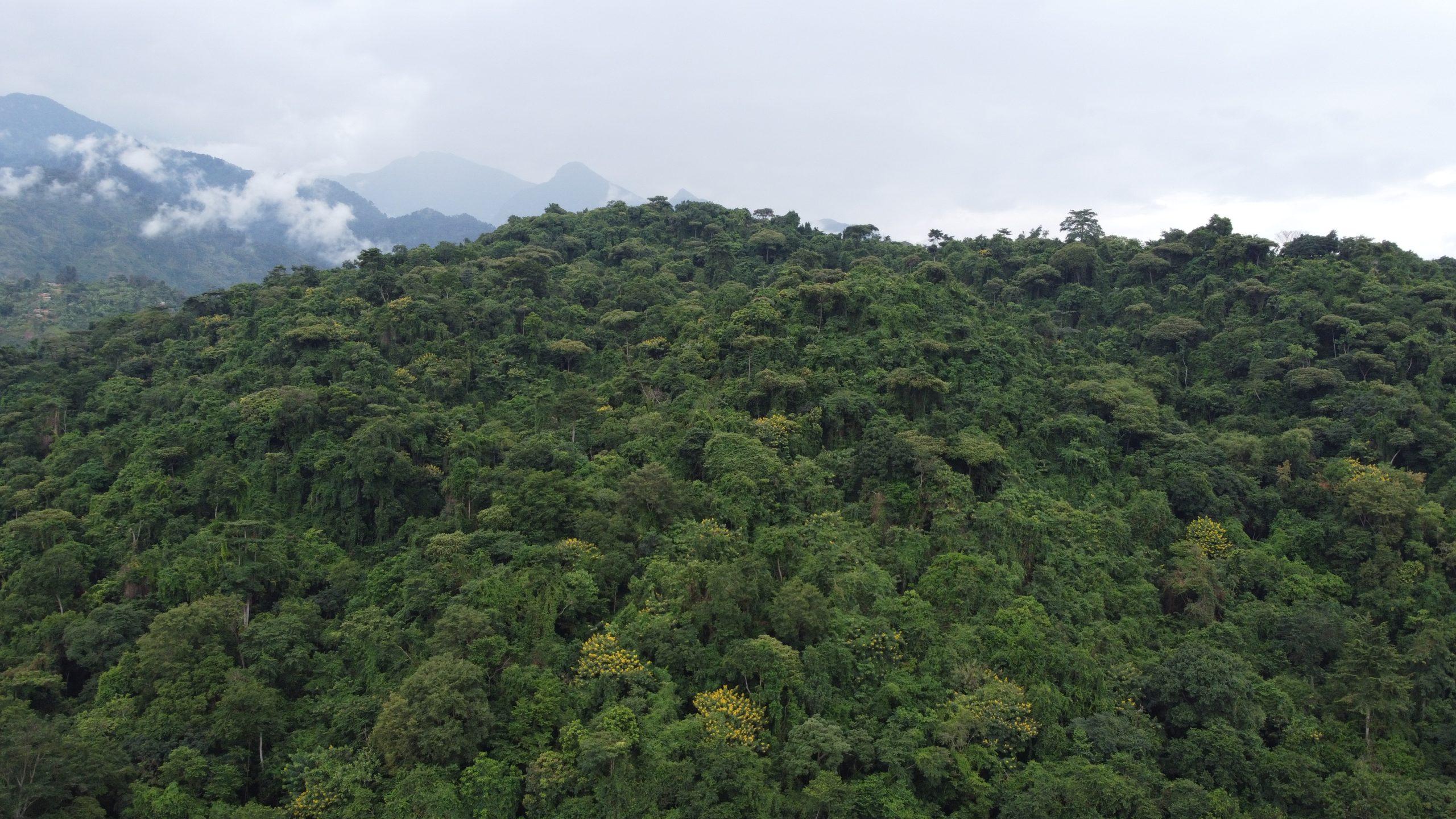
The Democratic Republic of Congo (DRC) is intensifying its efforts to reconcile the conservation of its ecosystems with sustainable economic development. At the heart of this strategy lies the Kivu-Kinshasa Green Corridor project, an integrated initiative designed to address the challenges of climate change, conflict, and poverty. This project places local communities at the center of a green growth model. Its main objectives include job creation, the promotion of agroecology, and the development of sustainable ecotourism.
According to its promoters, the Green Corridor could generate significant opportunities in the sectors of reforestation, agricultural transformation, and sustainable tourism. "This project embodies our vision of interconnected and resilient territorial conservation," said Yves Milan Ngangay, Director General of the Congolese Institute for the Conservation of Nature (ICCN).
Mr. Ngangay emphasized that the ICCN now integrates the climate dimension into its management plans, in line with the DRC's Nationally Determined Contributions (NDCs).
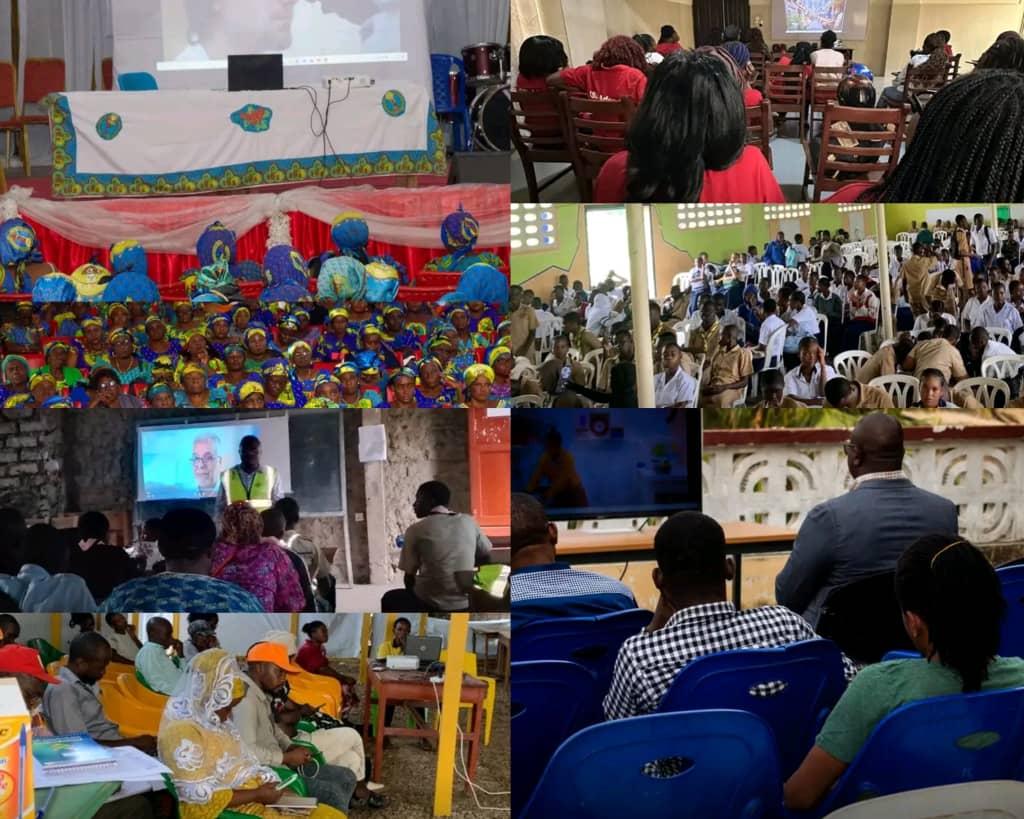
A recent colloquium, organized with the technical and financial support of the FAO (Food and Agriculture Organization of the United Nations), made it possible to strengthen synergies between ecology, economics, and governance. The ICCN teams, supported by national and international researchers, presented their work on species dynamics and the vulnerability of ecosystems to anthropogenic pressures.
The Congolese initiative is part of the Paris Agreement, adopted in 2015 during COP21, which commits nearly 200 Parties to limit global warming to 1.5°C. The year 2025 marks a crucial milestone for strengthening national ambitions.
All eyes are now turning to COP30, which will be held in Belém, in the Brazilian Amazon, from November 10 to 21, 2025. Brazil, as the host country, seeks to consolidate its strategic partnership with the DRC and other countries in the Congo Basin.
Brazil's Environment Minister, Marina Silva, and her Congolese counterpart, Marie Nyange Ndambo, have already held discussions in Brasília, underscoring the key role of their two nations, often dubbed the 'lungs of the world', in the fight against climate change.
The Pre-COP30, organized in São Paulo, highlighted discussions on decarbonization, ecosystem protection, and the need for increased support for financing sustainable projects in developing countries.
Our editors' picks of what matters. Monday to Friday.
By subscribing, you accept our privacy policy.