Article
Preparing the article…
If a translation is needed, this may take a few seconds.
If a translation is needed, this may take a few seconds.
A joint mission from the United Nations Organization Stabilization Mission in the Democratic Republic of the Congo (MONUSCO) and the International Conference on the Great Lakes Region (CIRGL) has been deployed to Uvira to prepare the establishment of a ceasefire monitoring mechanism in eastern DRC…

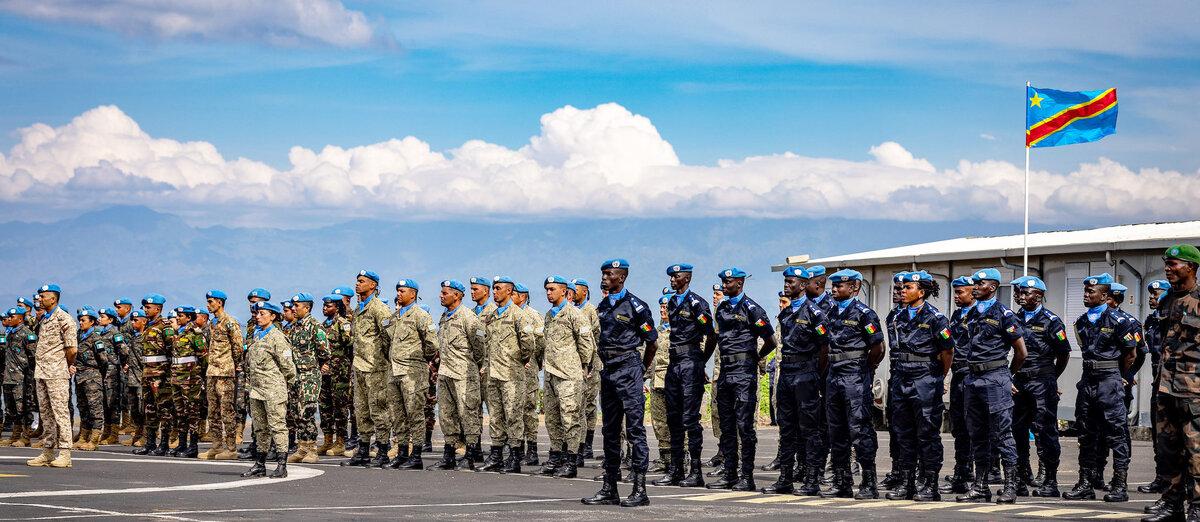
A delegation from the United Nations Organization Stabilization Mission in the Democratic Republic of the Congo (MONUSCO) arrived on Tuesday, February 24, in Uvira, in eastern Democratic Republic of the Congo, as part of a joint mission with the International Conference on the Great Lakes Region (CIRGL) intended to prepare ceasefire monitoring, as the security situation remains concerning in the region.
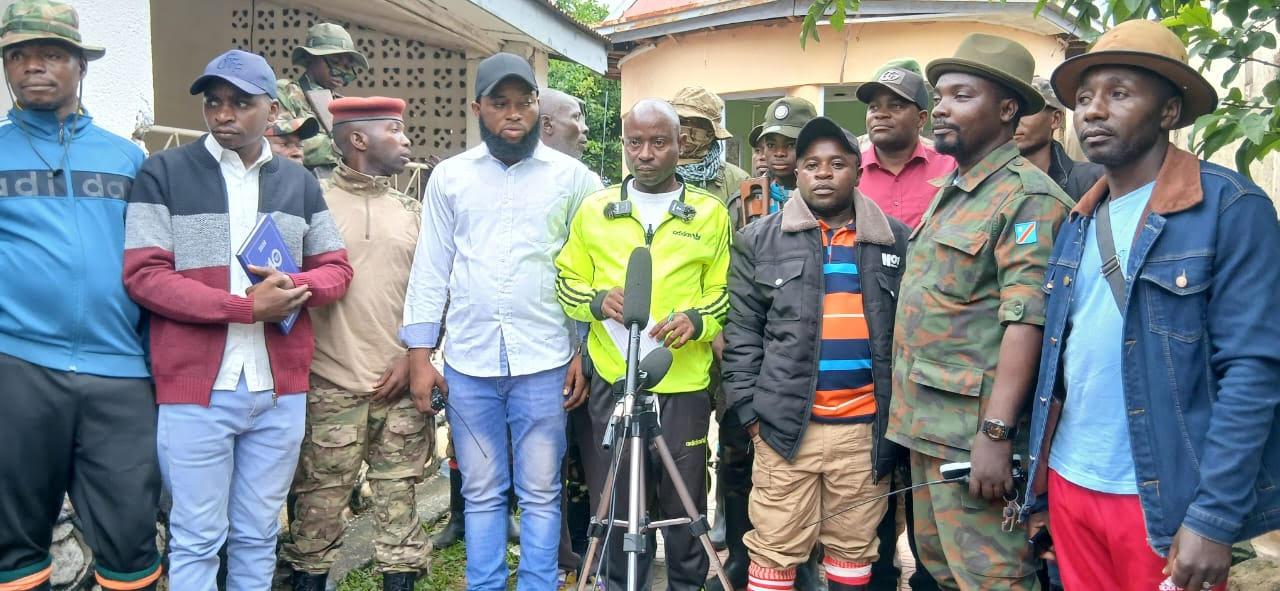
The UN delegation was welcomed at the border with Burundi by the governor of South Kivu, Jean-Jacques Purusi Sadiki, who warned of reported advances by AFC/M23 rebels towards localities near the city.
"AFC/M23 is found in Sange, about twenty kilometers from the city of Uvira, and in Lemera, about ten kilometers away," the governor said before the UN representatives.
In a statement published in Kinshasa, MONUSCO and CIRGL indicate that this exploratory mission is taking place from February 23 to 27, 2026, and aims to prepare the deployment of a joint mechanism tasked with monitoring respect for the ceasefire in the eastern part of the country. The initiative comes after consultation with Congolese president and current CIRGL chair Félix Tshisekedi.
The deployed teams must assess several aspects essential to the operation of the future mechanism, namely access to the areas concerned, security conditions, logistical needs as well as coordination with local authorities and the various actors present on the ground.
The mission is part of UN Security Council Resolution 2808 adopted in 2025, which authorizes MONUSCO to support the implementation of a permanent ceasefire.
According to the organization, this support concerns in particular the ceasefire supervision and verification mechanism as well as the expanded joint verification mechanism established following the signing of the Doha Framework for a comprehensive peace agreement in November 2025.
During their stay in Uvira and its surroundings, the experts will also analyze political, security and socio-economic dynamics in order to guide decisions on the next steps of the process. The interim head of MONUSCO in DRC, Vivian van de Perre, emphasizes that effective ceasefire monitoring constitutes a key element in reducing violence and paving the way for a lasting political solution in the region.
She recalls that, unlike the provinces of North Kivu and Ituri, the mission's mandate in South Kivu is primarily focused on ceasefire monitoring and not on direct civilian protection operations.
MONUSCO and CIRGL officials nonetheless emphasize the exploratory nature of the mission. The scope and modalities of any subsequent deployment will depend on security conditions and agreements between the various parties. The executive secretary of CIRGL, Mubita Luwabelwa, meanwhile called for strengthening regional cooperation in order to consolidate peace in the Great Lakes region.
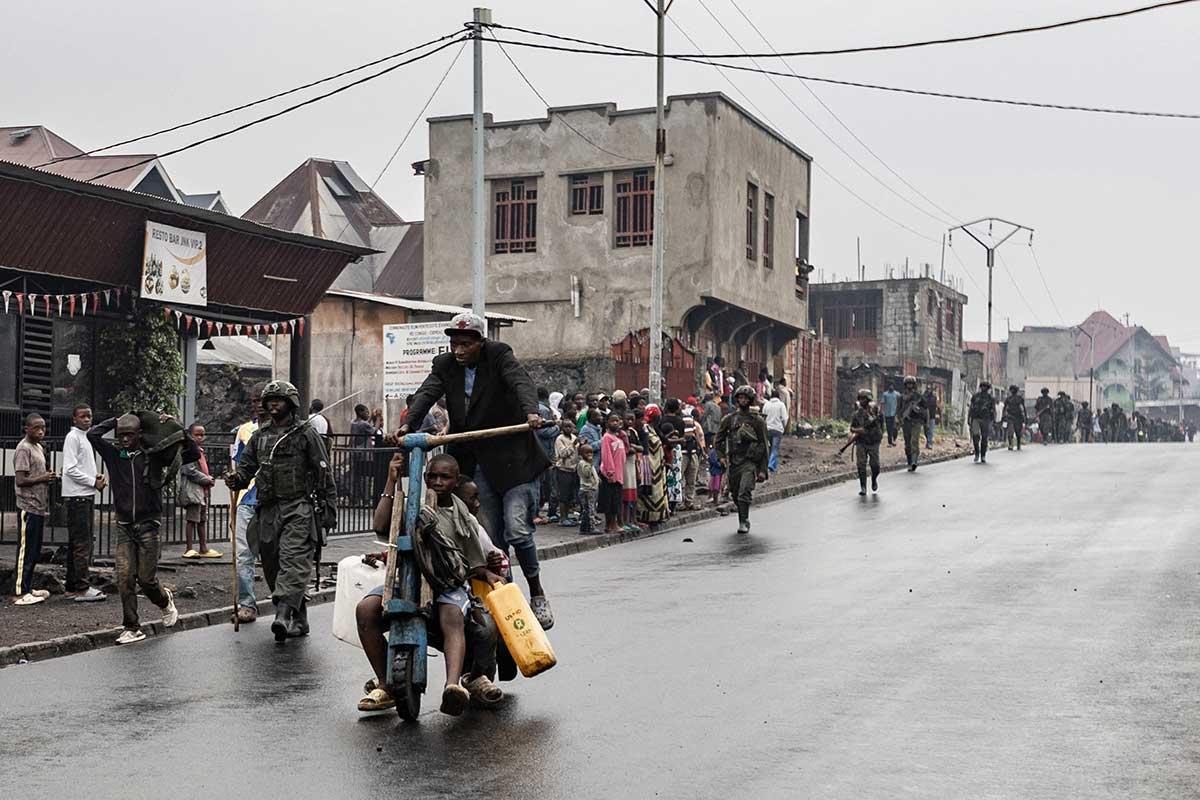
In a context marked by reported advances by rebels on the outskirts of Uvira, this mission could constitute an important step in diplomatic and security efforts aimed at stabilizing eastern DRC.
Our editors' picks of what matters. Monday to Friday.
By subscribing, you accept our privacy policy.