Article
Preparing the article…
If a translation is needed, this may take a few seconds.
If a translation is needed, this may take a few seconds.
A mini-summit on the Sahel was held Wednesday evening at the Elysée. The presidents of Chad, Niger, Benin, and Senegal participated in a 'working dinner' at the French presidency. Alongside them, ministers from Gulf of Guinea countries, as well as the highest leaders of the European Union. At stake: the future of counter-terrorist operations in the Sahel, in a context where the jihadist threat is evolving and relations have severely deteriorated with the junta in power in Bamako. The question of an outright withdrawal of Western soldiers from Mali is on the table. Paris is therefore consulting its partners before making a final decision. A press conference is scheduled for Thursday morning at 9 a.m.
It was a working dinner with very high stakes last night. What configuration for counter-terrorist operations in the Sahel? With which actors? Deployed in which country?
To answer this, France brought together most of its African and European partners, in an attempt to forge a consensus on these thorny issues. Indeed Paris wants to avoid a unilateral decision at all costs. "The redeployment in the Sahel must come from a collective choice, the fruit of a consensus," indicates a source at the Elysée.
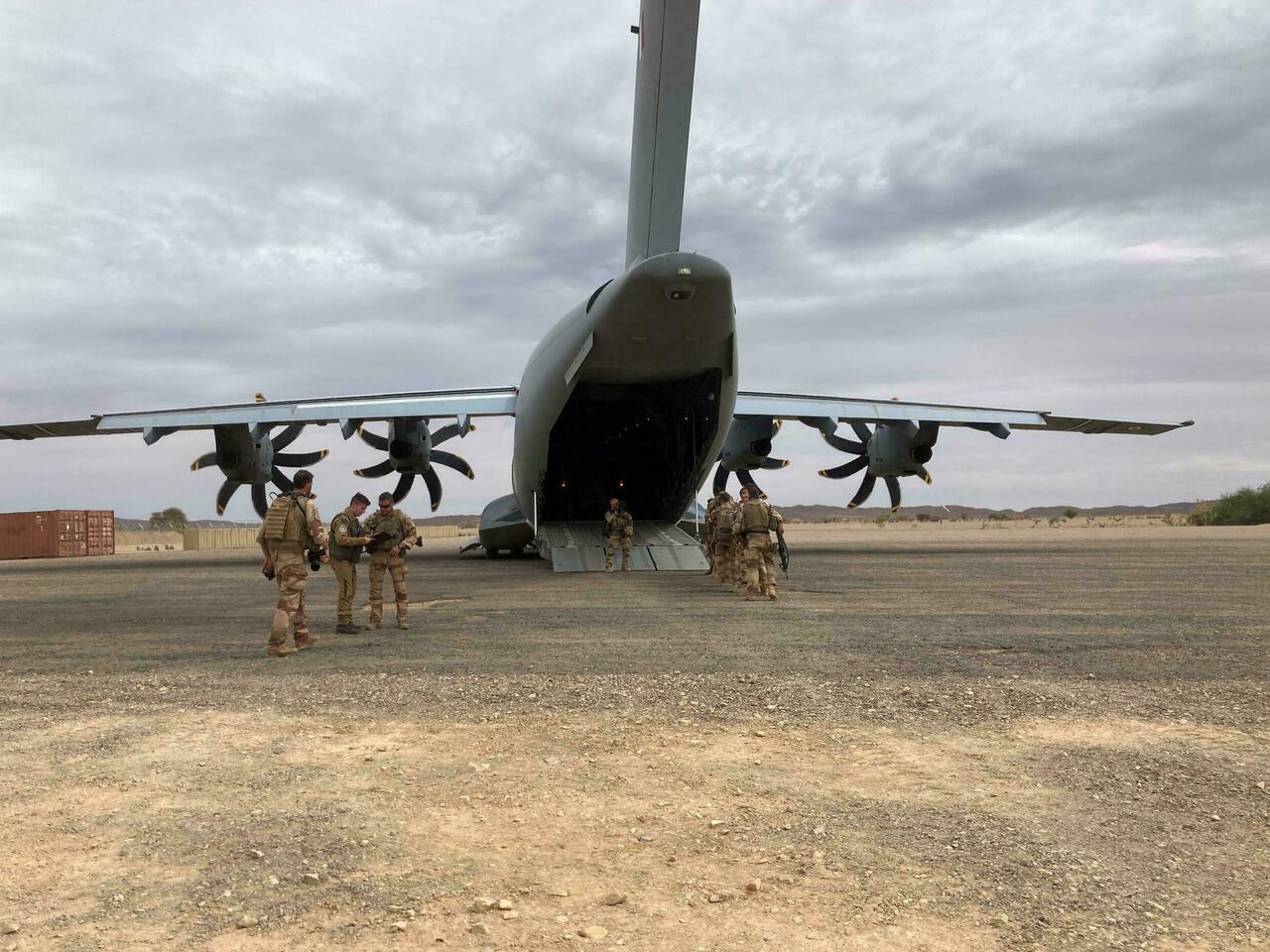
The French also want to avoid a military withdrawal being seen solely as a consequence of the crisis between Paris and Bamako. Because indeed, it seems that the departure of the 2,500 soldiers of the Barkhane force from Mali is already settled. As is that of the 800 men of the European Takuba mission, which would be dissolved.
Western military personnel could fall back to neighboring countries. Niger is heavily sought after. But various options are also being discussed, such as reducing troops on the ground and strengthening air operations, with the use of drones.
The terrorist threat goes beyond Mali's borders, it even now goes beyond the borders of the Sahel. This was not the case, or not to this extent, when Serval was created in 2013 and then Barkhane the following year. An expansion of French and European military action to Gulf of Guinea countries, perhaps even to Senegal or Côte d'Ivoire, is therefore being considered.
The multiplication of military bases such as those that had been established in Mali is considered outdated by military and political actors concerned with being less visible, so as not to offend West African public opinion increasingly hostile to foreign military operations, even in the context of support for counter-terrorist operations.
Increased use of air assets, preferred to ground deployments, is one possible solution. Training of national forces, and support in terms of intelligence or operational decisions are others.
If the era of direct military cooperation between French and European forces with the Malian army seems to be over, several European countries wish not to abandon Mali. Maintaining the European military training program EUTM (European Union Training Mission) is thus an option, as is that of European contingents deployed within Minusma (United Nations Multidimensional Integrated Stabilization Mission in Mali). Provided, and this is no small detail, that Bamako wishes it.
Operations could even extend to other countries such as Côte d'Ivoire, Togo, Benin, Senegal, themselves seeking additional support. But African partners do not want to offend their populations either, some of whom are reluctant to see foreign military assets arrive.
Our editors' picks of what matters. Monday to Friday.
By subscribing, you accept our privacy policy.