Article
Preparing the article…
If a translation is needed, this may take a few seconds.
If a translation is needed, this may take a few seconds.
On the sidelines of the EU-AU summit, the Belgian Prime Minister and his Congolese counterpart met in Tervueren, a locality near Brussels where the Museum of Africa stands, so that Alexander De Croo could hand over to Sama Lukonde the inventory of all objects from the DRC. With our correspondent…
With our correspondent in Brussels, Pierre Benazet
In total, 84,000 objects appear on this list: that is more than two-thirds of the collections held by the Tervueren museum. Inaugurated 124 years ago by King Leopold II before he was forced by the Belgian government to return Congo, which was his personal property, as a colony, this museum was called the Palace of Colonies, then Museum of Central Africa, and its collections were supplied with objects that were essentially Congolese but also Burundian and Rwandan.
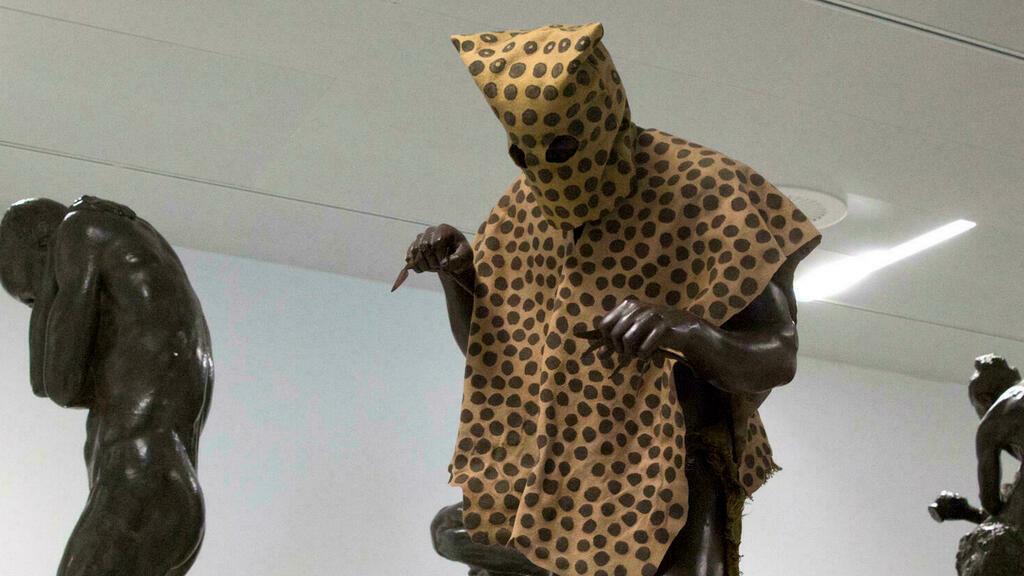
There are fetishes, farming implements, musical instruments or canoes, and many of these objects were torn from their land or their owners. Between 35,000 and 40,000 of them are in theory capable of returning to the country as provenance studies progress. Already, 1,500 to 2,000 objects could be returned immediately because they come from acts that were already illegal at the time of colonization: looting, hostage-taking and desecration.
The handing over of this inventory to the Congolese Prime Minister is a symbolic step because the most important will be the adoption by the Belgian parliament of a law already in the works: objects of colonial origin will no longer be part of the « inalienable heritage » of the kingdom.
Belgium has decided that this heritage will henceforth be subject to automatic returns to Africa.
Our editors' picks of what matters. Monday to Friday.
By subscribing, you accept our privacy policy.