Article
Preparing the article…
If a translation is needed, this may take a few seconds.
If a translation is needed, this may take a few seconds.
In Uvira, the GMS sub-project was launched this Friday to support farmers and traders in South Kivu. Financed by the World Bank, it is part of a regional economic development dynamic. The main objective is to stimulate local production, facilitate trade and strengthen integration in the Great Lakes region. Uvira's municipal authorities hosted, this Friday August 15, 2025, the official launch ceremony of the Subsidy Mechanism Management (GMS) sub-project, a strategic component of the Trade Facilitation and Integration Project in the Great Lakes Region
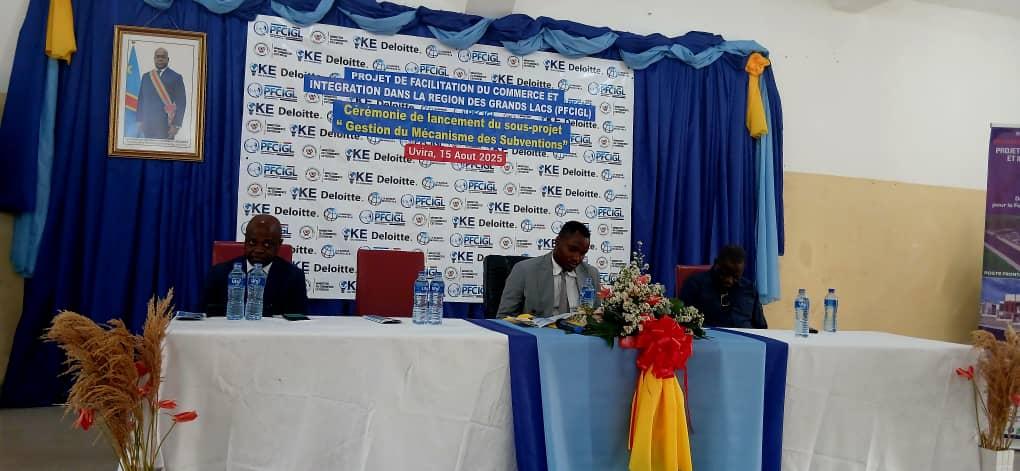
Uvira's municipal authorities hosted, this Friday August 15, 2025, the official launch ceremony of the Subsidy Mechanism Management (GMS) sub-project, a strategic component of the Trade Facilitation and Integration Project in the Great Lakes Region (TFIPGLR). Carried out by the Congolese government with the support of the World Bank, this program aims to boost the agricultural and commercial economy of South Kivu and strengthen regional integration.
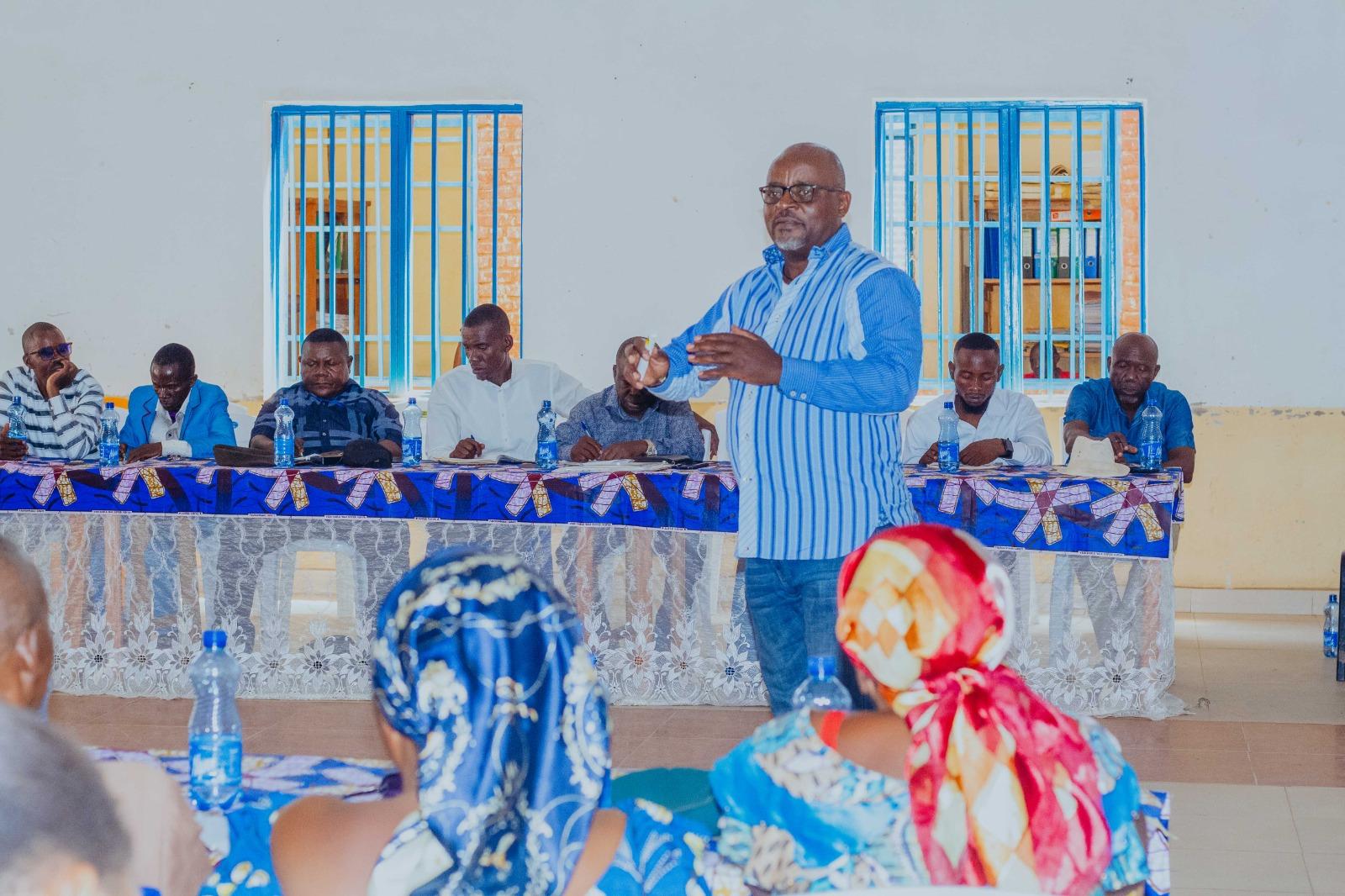
The ceremony was chaired by Didier Kabi, provincial minister of green economy and representative of the governor, who welcomed President Félix Tshisekedi's commitment to this project "of paramount importance". He stressed the importance of transparency in selecting beneficiaries and the firm support of the provincial government to ensure the project's success.
For his part, Thierry Kayembe, coordinator of the TFIPGLR, clarified that the subsidy mechanism will allow direct support for local economic operators. The objective is to strengthen their competitiveness against foreign products, improve added value and stimulate external trade. He described the GMS as a "strategic lever for connecting South Kivu to international markets".
Read also: DRC-Uvira: Consultation on TFIPGLR subsidies
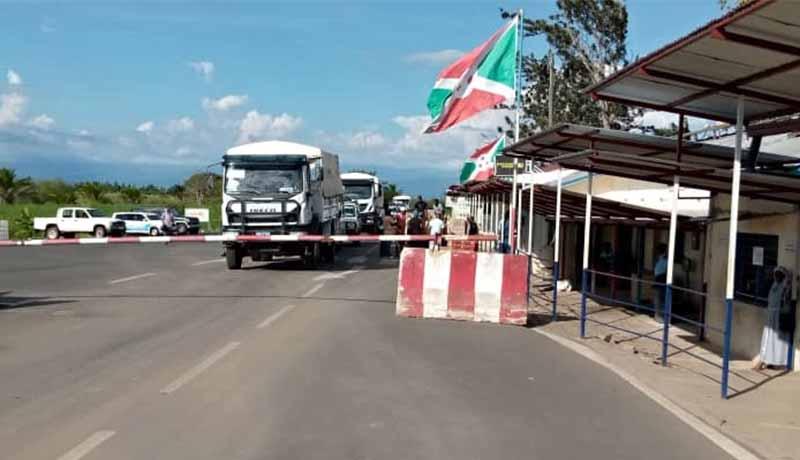
Joël Tembo Vira, general director of Kivu Entrepreneurs and responsible for project implementation alongside Deloitte, underscored the obstacles still hindering cross-border trade, namely degraded infrastructure, administrative burdens, and lack of regulatory harmonization. He reaffirmed the consortium's commitment to building an efficient and inclusive commercial ecosystem, capable of positioning Uvira's products on regional and international markets.
With a duration of 24 months (from December 6, 2024 to December 5, 2026), the project will focus on 14 agricultural value chains with strong export potential: coffee, rice, maize, cassava, sweet potato, soy, tomato, palm oil, milk, fish, fruits, potato, meat and spices. Four areas are targeted in Uvira territory: Luvungi, Sange, Kiliba and Uvira-town.
Read also: DRC-Uvira: Media commit to promoting cross-border trade
During the event, an exhibition of processed agricultural products highlighted local skills and commercial prospects for the territory. For the economic actors present, the launch of the GMS represents a decisive step toward more competitive, integrated and sustainable regional trade.
Our editors' picks of what matters. Monday to Friday.
By subscribing, you accept our privacy policy.